The CRM build gives your company a pipeline it owns. Leads from the site land in the CRM with their source attached, and each stage has a definition your team agreed on, which means the weekly scorecard comes straight out of the records. It runs in HubSpot or Attio when one of them fits, and on your own database when neither does.
It usually starts after the first enterprise contracts, when the pipeline lives in a spreadsheet three people edit and a sales hire is about to inherit it. The CEO of an early-stage cybersecurity firm selling to enterprises priced a CRM license plus an implementation partner, then chose to own the system instead. I do the build myself, so the person on the first call is the one who sets up your stages.
What changes for your first sales hire
Leads arrive with their source
A form fill on the site creates the contact and the deal in the CRM, so your inbox stops being the lead queue.
Reps walk into the call knowing the history
Calls and emails log against the account, so the last conversation is on screen before the next one starts.
The board deck matches the CRM
The weekly scorecard reads the same records the team works in, so the pipeline numbers stop being rebuilt by hand before each board meeting.
Wherever you're starting
Fix the mess first. Then build. Then automate. The CRM build is the second step, and it starts from the Ops Audit's fix plan, whether the audit found no CRM at all or a HubSpot account full of duplicates.
Picking the first CRM
HubSpot or Attio when one fits how you sell, and a build on your own database when neither does. If buying software beats building it, that's the recommendation you'll get.
Moving off the spreadsheet
Contacts and deals come out of spreadsheets and old tools with duplicates merged, and the original export is kept in case you need to go back.
Wiring it to billing and support
APIs and webhooks connect the CRM to billing and the support desk, so a renewal date or an open ticket shows up on the account.
The handover
Your team gets written procedures for each stage, and a walkthrough with whoever owns the CRM next, which is often the first sales hire.
After the handover
Your team can answer what's happening with an account from one screen, and the private spreadsheet on the side can go. The CRM, its data, and its integrations run on accounts your company controls. Own it. Don't rent it.
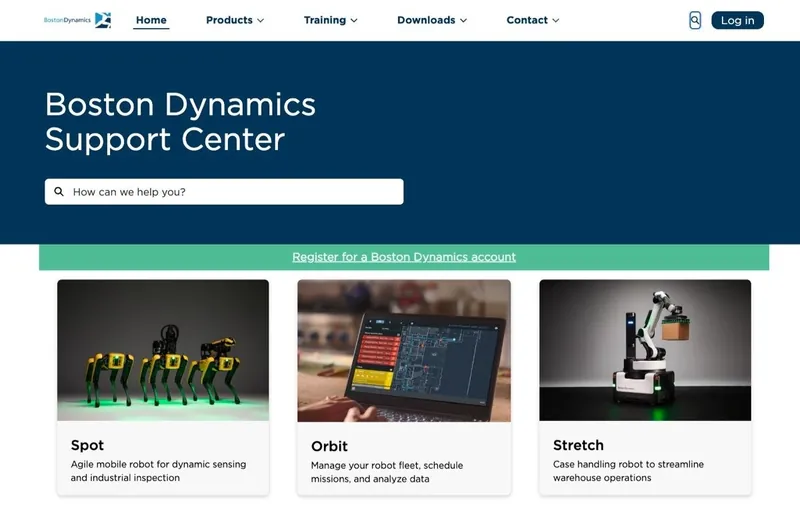
At a larger scale, the Boston Dynamics Support Center rebuild connected Salesforce, Jira, and Paligo behind support.bostondynamics.com.
Common questions
HubSpot, Attio, or a CRM on our own database?
HubSpot or Attio when one of them fits how you sell, because a licensed CRM is quicker to stand up. A build on your own Postgres database makes sense when the pipeline depends on product or contract data that a licensed CRM models badly.
Our HubSpot is full of duplicates. Does it have to be replaced?
Usually it can stay. The cleanup merges the duplicates with their activity history kept, and your team redefines the stages with the person who will own them. If HubSpot doesn't fit how you sell, you'll get the options compared side by side.
Who runs the CRM after the handover?
Your team does, usually the first sales hire or whoever leads revenue. The handover includes written procedures for each stage and admin access on accounts the company controls.