AI should make your people better, not replace them.
If your team already pays for ChatGPT, the next step is putting AI inside the work itself: the support inbox, the CRM, the order sheet. Start by finding where it would pay for itself.
- The map
- How the work moves today
- Deliverable
- A ranked list of fixes
- Built for
- Small and mid-size teams
- The plan
- Yours to keep, either way
The people who do the job decide whether it worked.
Start with the work
Before anything gets bought or built, you get a map of how the work moves today, including the steps that live in someone's head.
Build beside your team
The fix goes into the systems your people already work in, and the people who do the job set the line it has to clear.
Train them to run it
Staff training ships with the build. After handover, your team runs it, tunes it and knows when to call for help.
Start with the assessment, then decide what to build.
The plan is yours to keep, whoever ends up building it.
- 01 · Start here
AI opportunity assessment
The assessment ends with a ranked list of fixes, each with the ROI math behind it.
- 02 · Build
Process automation
Pick the process that costs you the most, like the sales follow-up that slips or the support requests someone sorts by hand. You get the build, the AI tooling and the staff training that makes it stick.
- 03 · Monthly
AI exec coaching
Coaching is 1:1, for owners and executives. Sessions start with how you use AI yourself, then your team's rollout, then the build-versus-buy calls as they come up.

Your data, your customers' trust and your team's judgment stay fixed. Treat each new tool, prompt or process change as an experiment, and keep the ones your team says worked.
Automation that made the people around it better.

A 130-person investigations program
Investigations started as part of one role and grew into a 130-person program across two sites. Better analytics and a redesigned escalation process cut time-to-solve on critical security escalations by half. Separately, R2D2, a Slackbot answering from a knowledge base designed for it, took over the repetitive parts of triage, and cancellation refunds were automated.
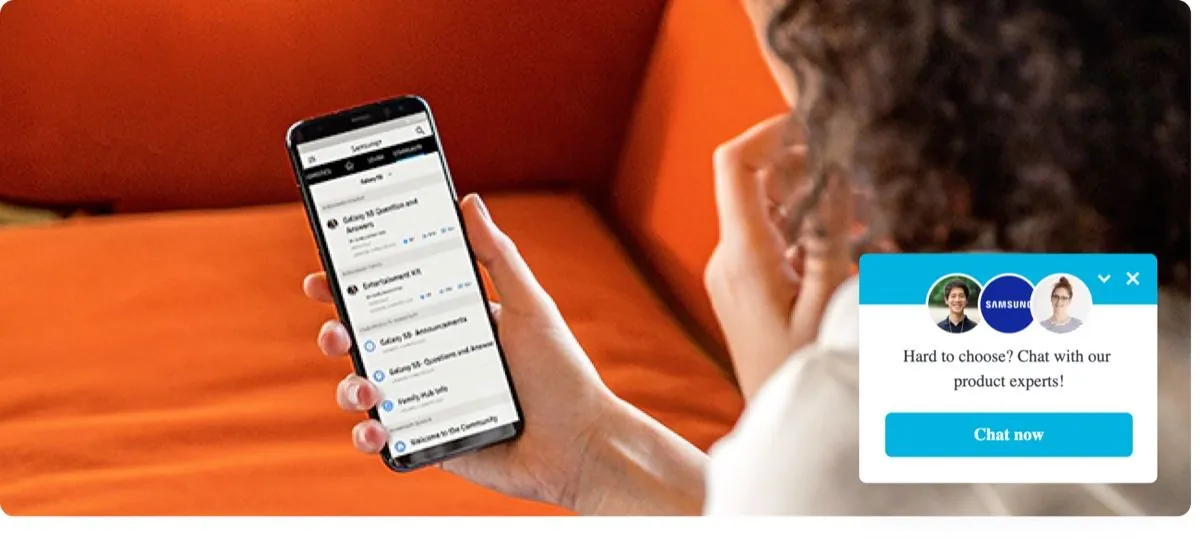
Flagging at-risk customers during the Galaxy S20 launch
A sentiment analysis program for Samsung's live chat flagged at-risk customers in real time and routed them to senior agents, so the hardest conversations reached the most experienced people.
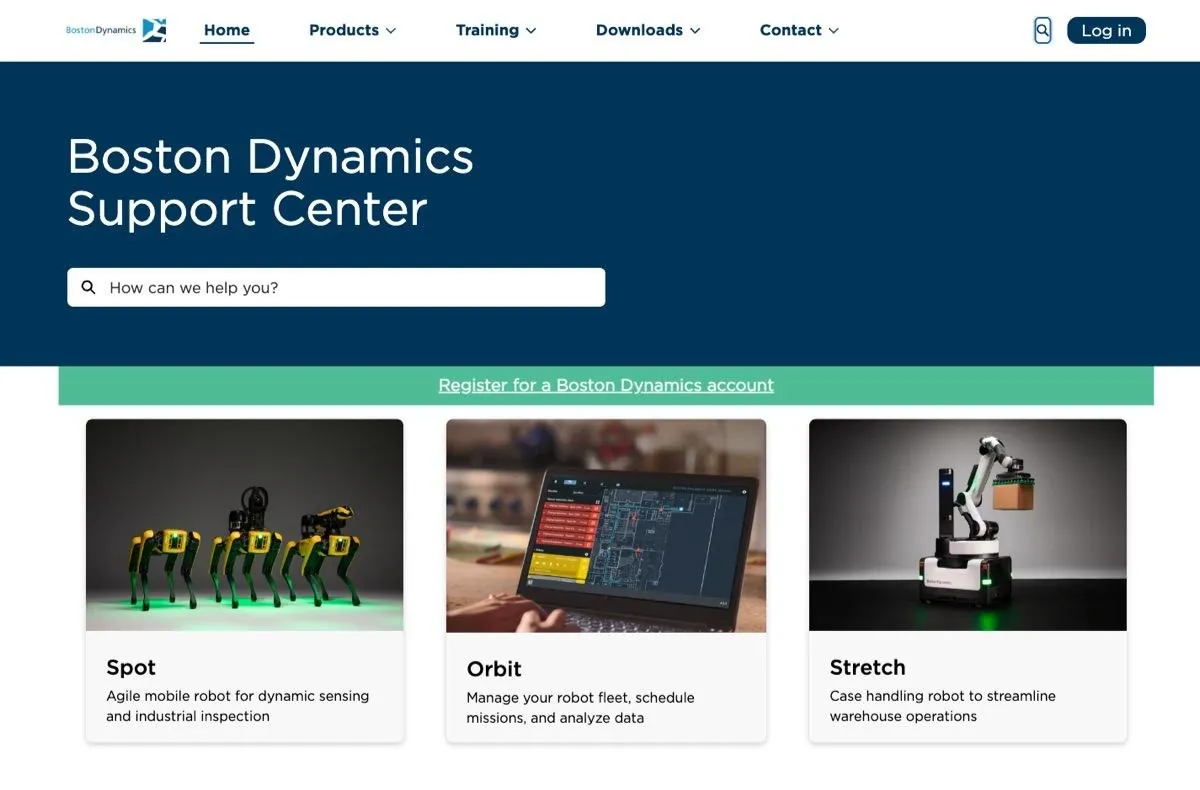
One support center for a robot fleet
The rebuild of support.bostondynamics.com, with Salesforce, Jira and Paligo connected behind it and ITAR and US and EU compliance built in.
Which job would your team hand off first?
Bring how it runs today and who does it now. The first call ends with what to automate first and who on your team should own it.