You raise the round. Now raise the standard.
Investors and customers check a few things before they trust a product: that the money adds up, that the data is safe, and that it does what the deck says. Build those to last from the first version. Test everything else before you spend money you've raised on it.
Already have engineers? See what gets set up around the product.
- Length
- About four weeks
- Agreed first
- The pass/fail lines, before the build starts
- You get
- A working prototype in front of users or investors
- It ends with
- A written go, no-go or fix
Anchor on what matters. Test the rest.
The money, the data, the promises
Your financial records keep their history when something changes. The change log can't be quietly rewritten, even by an administrator. Each person sees only what their role allows, and the database checks it on every request. Investors ask about these parts in diligence, and they're expensive to fix later.
Everything else
Features, onboarding and the tools you pick are experiments. Each one gets a pass/fail line agreed before it's built, and you know within weeks whether it worked.
Your engineers stay on the product.
The first pilots bring work outside what a technical team was hired for: where customers go when something breaks, and what each of them signed. The retainer sets that up while you hire the person who will own it.
Customers find the answer before they email a founder
One support site for manuals, known issues and training, connected to the tools your team already uses, so tickets stop landing on engineers.
Each customer sees what the product did for them last week
Reporting built from the data your product already records, so the renewal conversation starts from numbers the customer can check.
New customers get through setup and come back
Onboarding, trust and safety, and the compliance a regulated customer asks about, set up before the volume arrives.
Start with the smallest thing that proves the idea.
Each stage is its own decision, and the code is yours at every one. With a team already building, start at 03.
- 01 · About four weeks
Sea Trial
A Sea Trial tests the idea in about four weeks, with a working prototype. The pass/fail lines are agreed before anything is built, and you get a written go, no-go or fix at the end. The prototype is ready to put in front of users or investors.
- 02 · After a go
Build it to last
After a go, the build turns the prototype into the product customers and investors will depend on, with the data behind it and the integrations it needs. The person who ran the trial builds it, so the plan never changes hands.
- 03 · Monthly
Embedded with your team
The retainer keeps the same person working with your team month to month, on the product or the operations around it, while you hire the people who will take them over.

Keep the part that makes your product yours out of someone else's subscription. You keep the code and the data, and can hand both to any developer you hire.
From early idea to something people use.
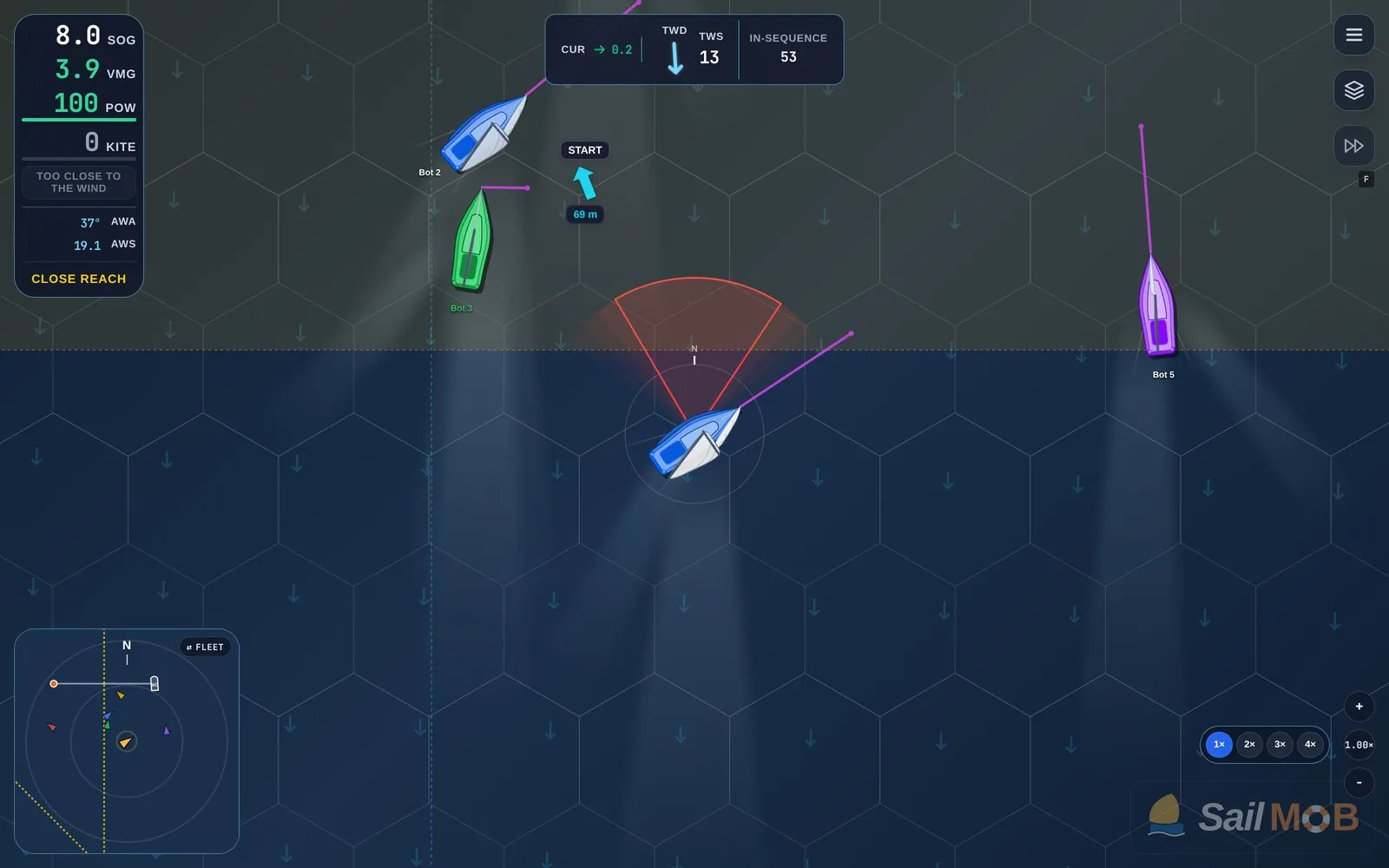
SailMOB
A browser sailing game with real wind physics, raced head to head against an AI fleet, and built solo.
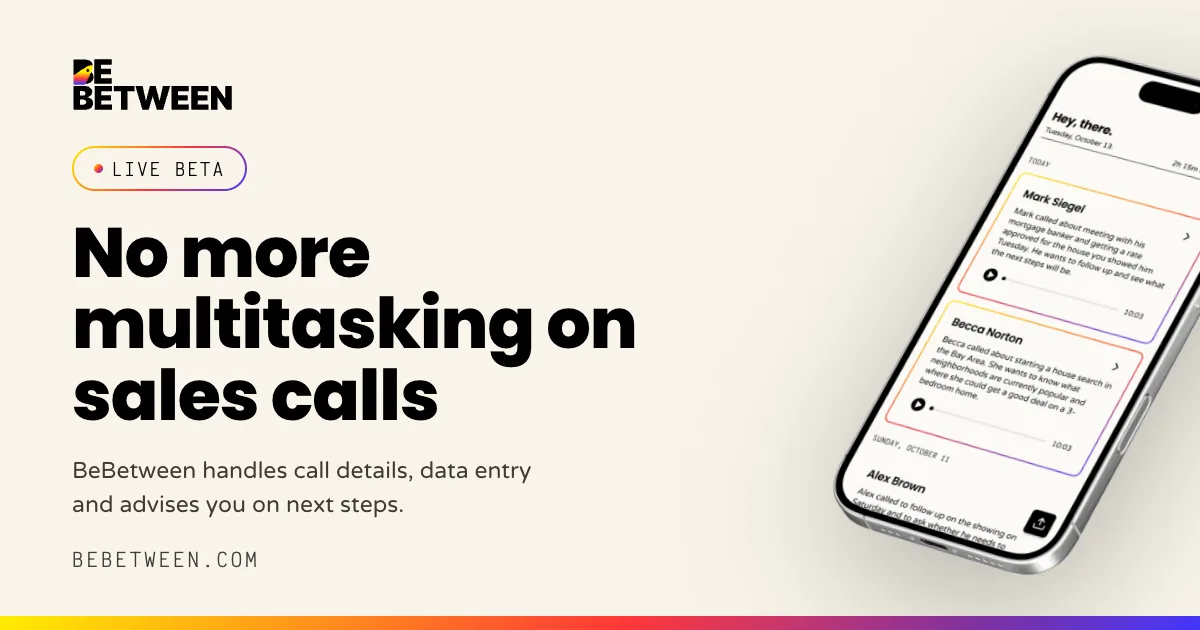
From early MVP to live beta
BeBetween's iOS app turns recorded real estate sales calls into CRM records. It went from early MVP to live beta under its founding Director of Operations and Product.
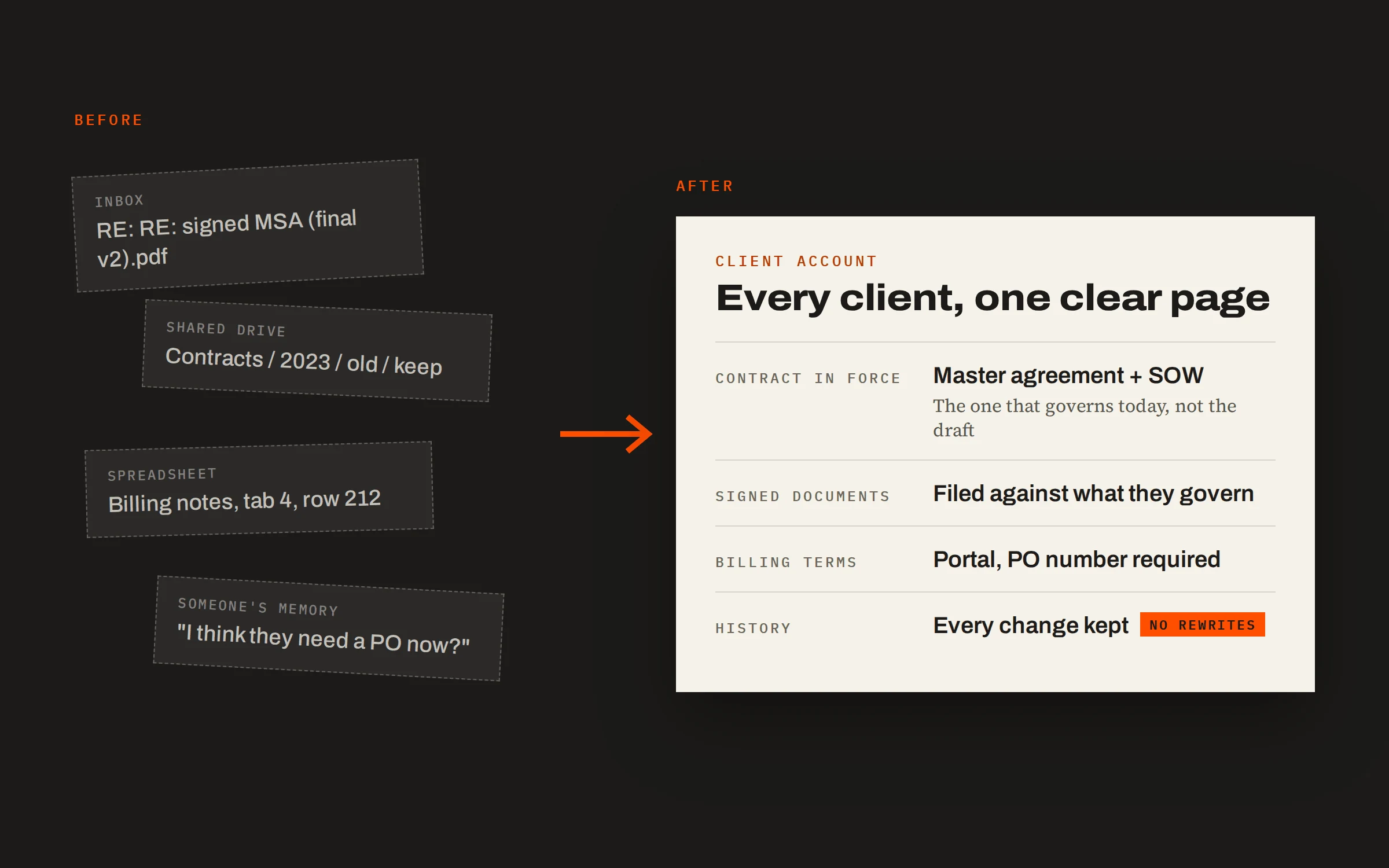
Every client account, on one clear page
A cybersecurity firm's contracts, signed documents, billing terms and change history, for every client, in one place instead of five.
What would you test first?
Bring the idea and the money riding on it, or the pilot about to go out. You'll leave the call knowing what a Sea Trial would test, or what to have in place before the first customer calls with a problem.